
Play Based
Therapy Services
Looking for a Psychologist Near You?
PLAY Psychology is a Melbourne child psychology practice led by registered psychologists, with extensive experience in early intervention, play-based therapy, and autism support for children with developmental delays.
We provide evidence-based, neuro-affirming psychological services that support children’s behaviour, communication, emotional regulation, and learning development across home and school environments.
Contact us today!- Collaborative and Pro-active Solutions Model to Behaviours (CPS model)
- Social Stencil
- ACT Model to Behaviour Support
- Early Intervention and Behavioural Supports
- Play Therapy, Cognitive Behavioural Therapy
- Autism & Developmental Delays, Intellectual Disabilities supports
- Positive Behaviour Supports & Functional Behavioural Assessments
- Therapy Assistant Supervision & Team Management +ABA Programs
- Motivational Interviewing, Parent Education, Dialectical Behaviour Therapy
- LOTE for children with Autism support
ABA Therapy
- Modern PLAY based ABA Therapy including Pivotal response training
- Visuals: Activity Schedules, communication modes, Visual prompting supports, Visual Check Lists, Video Modelling.
- Support with Behaviours occurring
- Picture Exchange Communication Systems
- Supports and Understanding for Self-Stimulatory Behaviours
- Assessments (WISC-IV, WPPSI, Vineland, PEP-3)
- Classroom Visits & Support for Teachers & Integration Aides
- Workshops and Training for Parents, Therapists and Schools.
- Support with Schools (ILP/SSG/PSG Meetings & Goal Setting).
Learning Programs
- Empowering Communication
- Connection & Attention in a Safe Environment
- Support for Toileting
- Building Confidence in Daily Routines and Instructions
- Play as Learning
- Visual Communication Supports
- Social/Emotional Support
- Movement and Motor Development
- Support and Understanding Behaviour as Communication
- Learning Through Observation and Imitation
- Flexible Thinking and Learning Concepts e.g. colours, numbers, shapes, letters etc.
- Understanding and Responding to Distress
- Exploring Foods & Eating/Feeding Supports
- Supporting Sensory Needs
- Emotional Wellbeing and Regulation
- Preparing for School Transitions
- Stimming and Sensory Regulation Support

Primary School Support Programs
Play Psychology also offers a full range of Primary School level Support Programs for children/adolescents who require assistance with school curriculum, homework, and socialisation.
- Literacy Skills
- Reading & Comprehension Skills
- Mathematics Skills
- Writing and Drawing Skills
- Support for social Skills
- Advanced PECS
- Self Help Skills
- Community Awareness and Life Skills
- Understanding Society
How a Play Psychologist Can Help Your Child
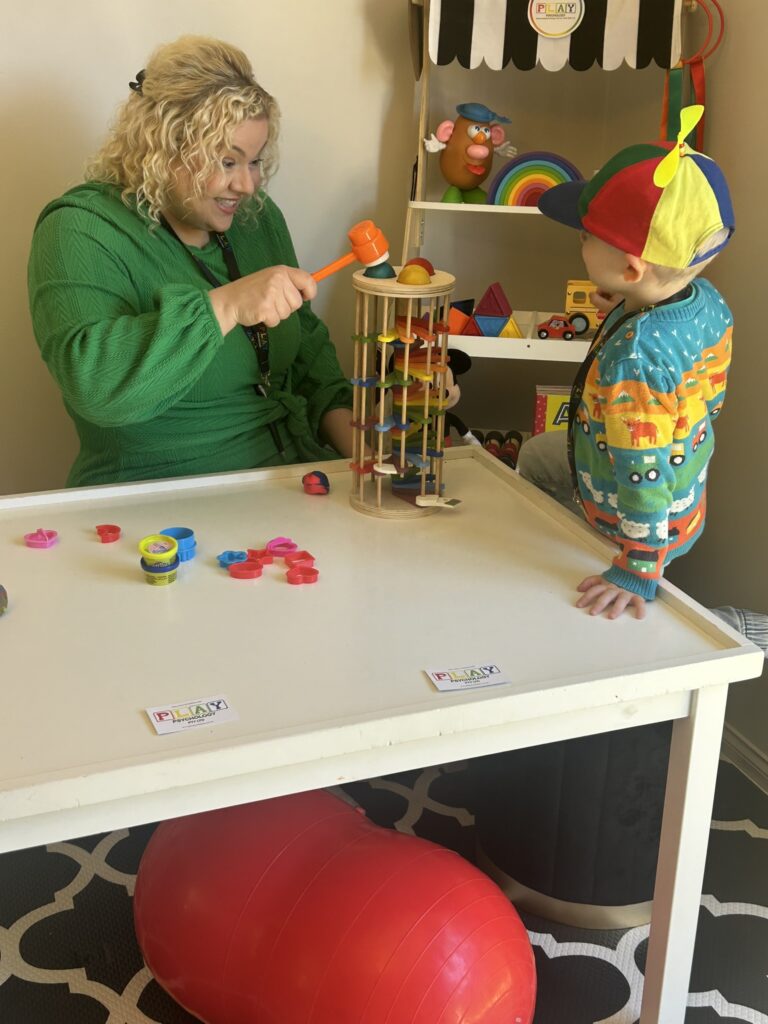
At Play Psychology, we understand that children communicate, learn, and process the world differently from adults. Many children do not yet have the words, confidence, or emotional regulation skills to explain what they are feeling or struggling with. Play is often their most natural language. A play psychologist uses connection, curiosity, and child-led interaction to support a child’s emotional wellbeing, development, behaviour, communication, confidence, and relationships in a safe and engaging way. What Is Play-Based Psychology? Play-based psychology uses play, movement, creativity, imagination, and shared experiences to build trust and support development. Rather than expecting a child to sit and answer lots of questions, the psychologist joins the child in activities that feel comfortable and meaningful to them. Sessions may include:
- Toys and imaginative play
- Games
- Drawing and creative activities
- Sensory play
- Movement activities
- Role play
- Building activities
- Shared interests
- Conversation during play
- Emotional regulation support
Through play, children often feel safer, more connected, and more able to express themselves naturally.
How a Play Psychologist Can Help
A play psychologist may support children with: Emotional Regulation Helping children:
- Understand their feelings
- Cope with frustration, anxiety, overwhelm, or big emotions
- Develop calming strategies
- Feel safer and more regulated
Anxiety and Worries Support may include:
- Separation anxiety
- School anxiety
- Social anxiety
- Selective mutism
- Fears and worries
- Confidence building
Autism and Neurodivergence Supporting children in ways that respect and understand their individual neurotype, including:
- Autism
- ADHD
- PDA (Pathological Demand Avoidance / Persistent Drive for Autonomy profiles)
- Sensory differences
- Emotional regulation differences
- Social communication differences
Sessions focus on supporting the child rather than trying to “change” who they are, while nurturing their confidence to be their authentic self. Behavioural Challenges Understanding the meaning behind behaviours such as:
- Meltdowns
- Shutdowns
- Aggression
- Avoidance
- Emotional outbursts
- Difficulty with transitions
- Demand avoidance
The goal is to understand what the child may be communicating through behaviour and to build supportive strategies around their needs. Social and Communication Skills Helping children with:
- Friendships
- Turn taking
- Flexible thinking
- Understanding social situations
- Confidence in interactions
- Communication through play and connection
Family Support Play psychologists also work closely with parents and caregivers by:
- Helping families better understand their child
- Offering practical strategies
- Supporting emotional connection
- Reducing stress around behaviours
- Helping create supportive environments at home and school
What Support May Look Like
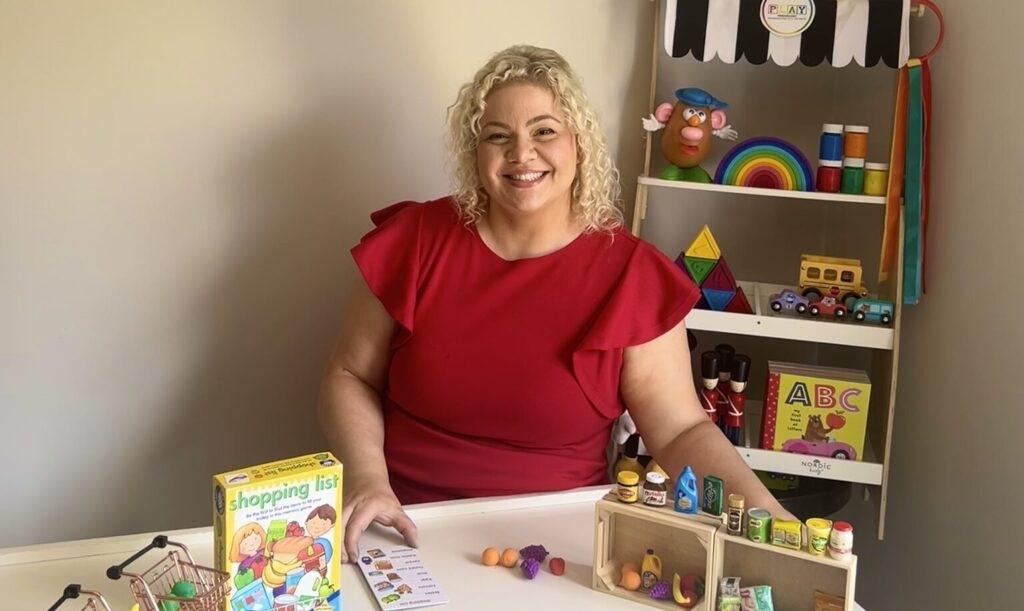
Every child is different, so sessions are tailored to the individual child’s needs, personality, interests, and comfort levels. Some children may:
- Happily explore the materials or toys straight away
- Engage through games or conversation
- Prefer movement-based activities
- Take time to build trust
- Communicate mostly through play rather than words
- Need a slower, lower-demand approach
A play psychologist follows the child’s lead and adjusts sessions based on the child’s emotional and sensory needs on the day.
What Parents Might Notice Over Time
Over time, families may notice:
- Improved emotional regulation
- Increased confidence
- Reduced anxiety
- Stronger communication skills
- Better understanding of emotions
- Improved flexibility with challenges
- More connection within relationships
- Increased comfort and confidence in being their authentic self
- Reduced stress at home or school
Progress often happens gradually and looks different for every child.
A Neuroaffirming and Relationship-Based Approach
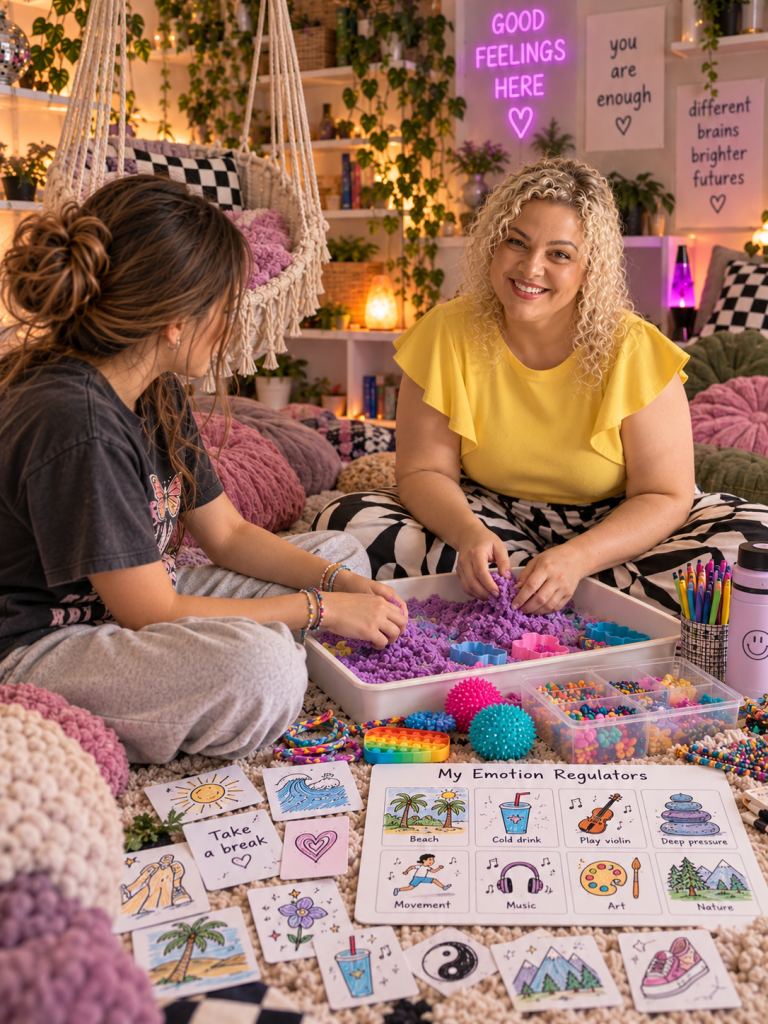
A play psychologist aims to create a space where children feel:
- Safe
- Understood
- Accepted
- Respected
- Supported without pressure
The focus is on building connection, nurturing each child to be their authentic self, and supporting their development in a way that honours who they are.
Working Together
Supporting a child works best when families, psychologists, schools, and other supports work collaboratively together. Parents are an important part of the therapeutic process, and their knowledge of their child is highly valued. At Play Psychology, we believe children thrive when they feel safe, connected, understood, supported through play and relationships, and free to be their authentic selves.